

Start your care
journey with someone
who understands.

Table of Contents

JOIN OUR NEWSLETTER & GET FREE UPDATES

Core Essentials

Affective Care Instrument
Affective Care New Branded Post
Affective Care AED

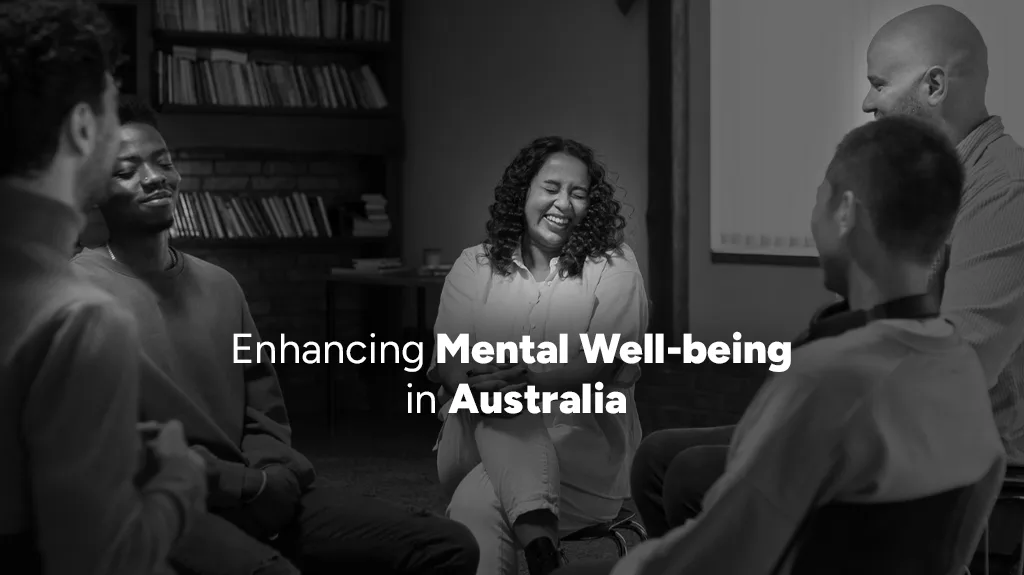
The Role of Integrated Healthcare in Enhancing Mental Well-being in Australia

Summary

Integrated healthcare has become a cornerstone of effective mental health care, particularly in Australia, where a growing population struggles with mental health challenges such as anxiety, depression, and disabilities. This service model ensures collaboration across various healthcare disciplines to address physical, emotional, and cognitive well-being under one roof.

Affective Health Services epitomizes the integrated healthcare approach by offering psychological services, occupational therapy, speech therapy, physiotherapy, and tailored NDIS support. This article explores the vital role of integrated healthcare in enhancing mental well-being and demonstrates how it meets the needs of Australians while improving accessibility and outcomes.

Introduction to Integrated Healthcare

What is Integrated Healthcare?

Integrated healthcare is an approach that unites various medical and therapeutic services to deliver holistic and person-centered care. It emphasizes collaboration between healthcare providers across specialties—such as mental health professionals, therapists, and physical health experts—to create seamless care plans for individuals with complex health needs.

By addressing the entire spectrum of a patient’s emotional, mental, and physical well-being, integrated healthcare helps people achieve better long-term health outcomes. This model is particularly valuable for individuals who face intertwined challenges such as mental health disorders, disabilities, and chronic illnesses.

Why is Integrated Healthcare Important?

In Australia, access to quality healthcare often involves navigating through disconnected service providers, which can create barriers for individuals requiring consistent and comprehensive care. Integrated healthcare bypasses these challenges by promoting teamwork among professionals and offering services under one roof. This approach streamlines treatments, reduces duplication of efforts, and tailors care to address every aspect of the patient’s life.

Services Offered by Affective Health Services

Affective Health Services exemplifies the integrated healthcare model through its expansive range of multidisciplinary programs, all designed to foster well-being and improve quality of life. Here are some of their notable offerings:

1. Psychology Services

Psychology is at the heart of mental well-being, and Affective Health Services provides treatments tailored to individual needs. Psychologists deliver services such as individual therapy, couples counseling, and family therapy to address a broad range of mental health issues, including anxiety, depression, PTSD, and stress management. Additionally, specialized psychological assessments are conducted to identify specific challenges and create effective treatment plans.

2. Occupational Therapy

Occupational therapy supports individuals in developing or regaining life skills that empower them to live independently. This is a critical service, especially for those who experience difficulty performing daily activities due to mental or physical health challenges. Therapists at Affective Health Services work with clients to set tangible goals such as gaining employment, improving motor skills, or fostering social inclusion.

3. Speech Therapy

Speech therapy is instrumental for individuals facing communication difficulties, either due to developmental delays, neurological conditions, or disabilities. Affective Health Services provides speech therapy across all age groups, ensuring that clients can effectively express themselves and engage with others.

4. Physiotherapy

Through physiotherapy, Affective Health Services addresses the physical aspects of health-related issues such as chronic pain, injuries, or motor coordination challenges. Physiotherapists collaborate with other health professionals to align treatment goals with overall mental and physical well-being.

5. NDIS Support

The National Disability Insurance Scheme (NDIS) is integral in empowering Australians with disabilities. Affective Health Services collaborates with its sister organization, Affective Care, to deliver customized support packages, including therapy, skill-building, and care coordination. This comprehensive support fosters greater independence and community involvement for individuals under the NDIS.

Benefits of Integrated Healthcare

Integrated healthcare holds several advantages over traditional fragmented systems. Let’s explore how this model significantly impacts mental health and well-being in Australia.

1. Comprehensive and Holistic Care

One key benefit of integrated healthcare is that it considers the whole person rather than focusing on isolated symptoms or conditions. For instance, a person experiencing depression may also struggle with their physical health or communication skills. Integrated care brings together psychologists, physiotherapists, and speech therapists to create a well-rounded, tailored care plan.

2. Accessibility and Convenience

The multidisciplinary model offered by services like Affective Health Services ensures that all the care someone needs can be accessed in one location. This eliminates the need for clients to schedule multiple appointments with different providers in various locations, reducing stress and improving adherence to treatment.

3. Improved Communication Among Providers

In integrated healthcare, professionals work in unison to optimize client outcomes. For example, a psychologist and an occupational therapist can coordinate to develop strategies that address both a client’s cognitive challenges and their ability to work or perform daily tasks. This cooperation reduces miscommunication and prevents redundant or conflicting care.

4. Personalized and Proactive Treatment

Integrated healthcare focuses on crafting care strategies that are fit for individual requirements. Clients receive personalized solutions instead of generic, one-size-fits-all treatments. Moreover, this model allows proactive interventions, helping prevent minor issues from escalating into significant health challenges.

Statistical and Factual Data on Mental Health in Australia

Mental Health Challenges in Australia

  • Prevalence: Nearly one in five Australians (approximately 4.8 million people) experience a mental health condition annually, with anxiety and depression cited as the most common issues.
  • Lifelong Impact: About 45% of Australians will experience a mental health condition at some point in their lives.
  • Support Gap: Despite these alarming statistics, many Australians do not access the support they need due to barriers like cost or stigma.

The Role of the NDIS

  • Over 500,000 participants are actively benefiting from the NDIS, many of whom require an integrated approach to care. The scheme has enabled individuals to access essential therapies, assistive technologies, and support systems that enhance independence.

By integrating services like those provided by Affective Health Services, clients can fully utilize the NDIS’s potential to improve their overall quality of life.

Conclusion

Integrated healthcare is transforming how mental health and disability services are delivered in Australia. By fostering collaboration among a network of healthcare providers and offering a range of services under one roof, organizations like Affective Health Services are addressing both the mental and physical well-being of their clients.

As Australia continues to grapple with widespread mental health challenges, integrated healthcare systems not only provide immediate relief but also promote long-term wellness and community engagement.


Start your care
journey with someone
who understands.

FAQ

Integrated healthcare is a coordinated care model in which multiple healthcare services are provided collaboratively under one roof. It is important because it ensures holistic, individualized treatment and eliminates the fragmentation often seen in traditional healthcare systems.

Affective Health Services provides psychology services, speech therapy, occupational therapy, physiotherapy, and tailored NDIS support to people dealing with mental health issues and disabilities in Australia.

Integrated healthcare enhances mental well-being by addressing all aspects of a person’s health—mental, physical, and emotional. This multidisciplinary approach fosters better treatment outcomes and mitigates obstacles by offering services in one accessible location.

The NDIS provides funding and access to services for individuals with disabilities. It helps improve independence, skill-building, and overall quality of life by offering packages tailored to each individual’s needs.

By implementing the principles of integrated healthcare, Affective Health Services exemplifies the future of mental well-being services in Australia and offers a clear path to improved health outcomes and empowered individuals.

JOIN OUR NEWSLETTER & GET FREE UPDATES

Core Essentials

Affective Care Instrument
Affective Care New Branded Post
Affective Care AED

Why Affective Care?

Trusted Partner in Your Life Journey

Affective Care Why To Choose Us Image

Care with
Heart

Affective Care offers more than services. We bring genuine compassion and empathy to your NDIS and aged care journey, supporting your goals with kindness, respect and personalised care everyday.

Why Choose Us Affective Care BG

Empowering Your Journey

Your goals matter. Affective Care partners with you to build confidence, independence, and joy in your daily life through tailored NDIS and aged care support, always delivered with heart.

Affective Care Why To Choose Us

Support with
Trust

Trust matters in care. That's why our experienced, compassionate team puts your wellbeing first. Delivering reliable, personalised NDIS and aged care support that makes a real difference every day.

Affective Care Why To Choose Us

Together We
Thrive

At Affective Care, we walk beside ypour goals anmd live life ypour way. Our care empowers people living with disability and older Australians to thrive with confidence.

You May Like

NDIS Behaviour support and psychology, participants and carers

Understanding NDIS behaviour support and psychology can be important when a participant needs support with behaviour, emotional wellbeing, mental health, or everyday coping skills.   Many NDIS participants, families, and carers want clear information about what these supports involve, how they are funded, and whether both can be included in the same plan.  This guide explains NDIS behaviour support […]

......
Travel feeling harder, support should still feel accessible

Recent fuel-related pressure across Australia may be adding extra stress for some participants, carers, and families, especially when travel is an important part of everyday support, appointments, work, school, and routines. At the moment, there are no fuel restrictions in place. However, higher fuel costs, added planning, and uncertainty around travel may still be making daily life […]

......
Why support workers must be trained in behaviour support plan

Support worker behaviour support plan training is one of the biggest factors in whether a plan helps in everyday life or ends up sitting unread in a folder. A behaviour support plan is only useful when the people providing day-to-day support understand how to apply it safely, consistently, and respectfully. When support workers are properly trained, […]

......
ADHD in women symptoms, signs, assessment, diagnosis

ADHD in women is often misunderstood, missed, or recognised much later than it should be. Many women grow up being described as forgetful, emotional, disorganised, sensitive, lazy, or “just bad at coping” without ever realising that ADHD may be part of the picture. In many cases, the signs are there for years, but they do […]

......
Jessica Boumelhem

Jessica Boumelhem

Advanced Behaviour Support Practitioner | PBS Manager

NDIS-aligned | Systems-aware | Values-led

Jessica supports individuals and teams through:

Jessica brings over two decades of experience as an educator and a strong foundation in psychology to her role as an Advanced Behaviour Support Practitioner. As PBS Team Manager, she leads with clarity and accountability, ensuring practice aligns with both NDIS standards and ethical, person-centred care.

Her approach is holistic and collaborative, taking into account sensory, environmental, emotional, and relational factors that influence behaviour. Jessica works closely with individuals, families, and support teams to ensure behaviour support plans reflect personal values, lived experience, and real-world contexts.

Jessica’s leadership supports consistency, quality, and confidence across multidisciplinary teams. Her work ensures behaviour support is not just compliant, but compassionate, practical, and genuinely empowering.

Chady Aoun

Chady Aoun

Senior Psychologist and Behaviour Support Practitioner

Multidisciplinary | Assessment-driven | Governance-focused

Chady supports individuals through:

Chady is a highly experienced psychologist whose work spans both public and private sectors. At Affective Care, he delivers integrated behavioural and psychological services, supporting clients of all ages through assessment, therapy, and tailored intervention.

Known for his leadership within multidisciplinary teams, Chady brings structure, insight, and consistency to complex presentations. His expertise includes early intervention, rehabilitation, and complex case management, with a strong commitment to clinical governance and quality care.

Chady’s work is grounded in evidence-based practice and collaborative problem-solving. He supports individuals, families, and teams to navigate complexity with clarity, ensuring care remains ethical, coordinated, and effective.

Miray El-Hachem

Miray El-Hachem

Positive Behaviour Therapist & Registered Counsellor (ACA Level 2)

Holistic | Education-informed | Adolescent-focused

Miray supports individuals through:

Miray brings over 20 years of experience in education into her clinical work as a Positive Behaviour Therapist and Registered Counsellor. Her practice integrates behavioural science with a deep understanding of human development, particularly during adolescence.

She takes a holistic approach, blending structure with empathy to support individuals through behavioural challenges. Miray’s work is grounded in understanding the whole person—their environment, relationships, and emotional world.

Through compassion and insight, Miray supports individuals to develop self-awareness, regulation, and confidence. Her practice reflects a balance of science and humanity, creating space for growth that feels both supported and respectful.

Anabell Beattie-Bowers

Anabell Beattie-Bowers

Registered Psychologist

Relational | Empowerment-focused | Trauma-aware

Anabelle supports children and adults through:

Anabelle works alongside individuals with warmth, curiosity, and a deep respect for each person’s inner world. As a psychologist, she supports both children and adults to strengthen emotional awareness, build resilience, and develop healthier relationships with themselves and others.

Her therapeutic style is tailored and responsive, integrating approaches such as CBT, DBT, and Circle of Security to meet the unique needs of each client. Anabelle places strong emphasis on empowerment—helping people understand their patterns, reconnect with their values, and develop tools that support lasting change.

Anabelle’s work is grounded in safety, collaboration, and trust. She believes therapy is not about fixing people, but about creating space for insight, growth, and meaningful connection—supporting individuals to move forward with greater confidence and emotional clarity.

Brandon Boumelhem

Brandon Boumelhem

Occupational Therapist

Functional independence | Strengths-based | NDIS-focused

Brandon supports individuals through:

Brandon’s work centres on helping people build skills that translate into real, everyday independence. As an Occupational Therapist, he partners with individuals, families, and carers to identify what matters most in daily life and then builds practical pathways toward those goals.

His approach is client-centred and evidence-based, grounded in collaboration and respect for each person’s strengths, environment, and pace. Brandon understands that meaningful outcomes are rarely achieved in isolation, so he works closely with support networks to ensure strategies are realistic, sustainable, and supportive of long-term participation.

Through the NDIS, Brandon supports people to increase autonomy, confidence, and engagement in daily routines. His work is guided by a belief that independence is not about doing everything alone—it’s about having the right supports, skills, and systems in place to live with choice and dignity.

Natalie Soto

Natalie Soto

Registered Psychologist | PBS

Bilingual | Assessment-focused | Person-centred

Natalie supports children and adults through:

Natalie is a bilingual psychologist (English/Spanish) with extensive experience supporting individuals across the lifespan. Her work spans assessment and therapy, with a particular interest in forensic psychology and complex presentations.

She combines evidence-based practice with creativity and flexibility, tailoring interventions to each person’s needs, culture, and goals. Natalie’s approach is grounded in collaboration, ensuring clients feel understood, supported, and actively involved in their care.

Through thoughtful assessment and therapeutic intervention, Natalie supports individuals to build insight, resilience, and meaningful change.

Edric Limbo

Edric Limbo

Speech-Language Pathologist

Rehabilitation-focused | Goal-driven | Community-oriented

Edric supports individuals through:

Edric’s practice is centred on helping people reconnect—both with their communication and with their communities. Working with adults and children, he has a strong interest in stroke rehabilitation and supporting individuals through the process of rebuilding communication skills.

His approach is practical and goal-focused, ensuring therapy remains relevant to everyday life. Edric collaborates closely with clients and families to identify meaningful outcomes and develop strategies that support confidence, participation, and independence.

Edric finds deep fulfilment in witnessing people regain their voice and reconnect with others. His work is guided by respect, patience, and a belief in each person’s capacity for recovery and growth.

Heather Pinel

Heather Pinel

Positive Behaviour Support Practitioner & Registered Counsellor

Trauma-informed | Neuroscience-integrated | Relational

Heather supports individuals through:

Heather is an accomplished Behaviour Support Practitioner with over 20 years of experience supporting children and families. Her work integrates neuroscience, psychological theory, and trauma-informed practice to address complex presentations including attachment trauma, neurodevelopmental differences, and psychosocial disability.

Heather’s approach is collaborative and whole-person focused, ensuring behaviour support plans reflect both evidence and lived experience. She works closely with families and support networks to build strategies that enhance emotional wellbeing, safety, and functional independence.

Her commitment to holistic care ensures individuals receive support that honours identity, relationships, and long-term quality of life.

Charbel Azzi

Charbel Azzi

Speech-Language Pathologist

Communication | Connection | Technology-enhanced

Charbel supports children and adults through:

Charbel’s work is driven by a passion for helping people connect more fully with the world around them. As a Speech-Language Pathologist, he supports both paediatric and adult clients to strengthen communication, social interaction, and participation in daily life.

Since 2022, Charbel has worked across diverse settings, tailoring therapy to each person’s goals, strengths, and communication style. He has a particular interest in integrating technology into therapy, using innovative tools to enhance engagement and outcomes.

Charbel brings curiosity and creativity into his practice, believing communication is not just about words, but about connection, confidence, and belonging. His approach supports individuals to express themselves more clearly and engage meaningfully with others across home, school, work, and community environments.

Nisreen El-Saidi

Nisreen El-Saidi

Positive Behaviour Support Practitioner

Grace Boutros

Grace Boutros

Positive Behaviour Support Practitioner

Shayma Sadek

Shayma Sadek

Positive Behaviour Support Practitioner

Ali Bazzi

Ali Bazzi

Positive Behaviour Support Practitioner

Areeba Chaudhry

Areeba Chaudhry

Casual Allied Health Assistant

Joana Suh

Joana Suh

Paediatric Occupational Therapist

Neurodiversity-affirming | Strengths-based | Mental health-focused

Joana supports children, adolescents, and adults through:

Joana is a Senior Occupational Therapist with a strong commitment to neurodiversity-affirming practice. She works with children, adolescents, and adults experiencing complex emotional and behavioural needs, including bipolar affective disorder and other mental health conditions.

Her experience spans a range of developmental and neurodevelopmental presentations, including autism, ADHD, and Down syndrome. Joana’s clinical focus includes building fine motor, cognitive, sensory, and emotional regulation skills to support participation in everyday life.

Joana is particularly passionate about peer-mediated, client-centred, and strengths-based approaches. Her work supports individuals of all ages to increase social inclusion, functional independence, and overall quality of life.

Rita Dagher

Rita Dagher

Psychologist | Managing Director – Affective Care & Affective Health Services

Humanistic | Systems-led | Clinically grounded

Rita supports individuals, families, and communities through:

Rita works at the intersection of psychology, leadership, and purpose-driven care. As a psychologist and Managing Director, she brings both clinical depth and strategic clarity to every layer of service delivery at Affective Care and Affective Health Services. Her work is grounded in the belief that systems should adapt to people—not the other way around.

With a strong clinical foundation and a humanistic leadership style, Rita ensures that psychological therapy, allied health, and in-home supports remain emotionally intelligent, ethical, and genuinely person-centred. She leads teams with integrity, cultivating cultures of safety, reflection, and excellence so that practitioners can deliver their best work and clients can experience care that feels respectful and empowering.

Rita’s approach bridges therapeutic insight with organisational vision. She understands that sustainable outcomes require both skilled clinicians and well-designed systems. Through thoughtful leadership and clinical oversight, she supports services that respond to complexity with compassion, accountability, and innovation—creating meaningful, long-term impact for individuals, families, and the broader community.