



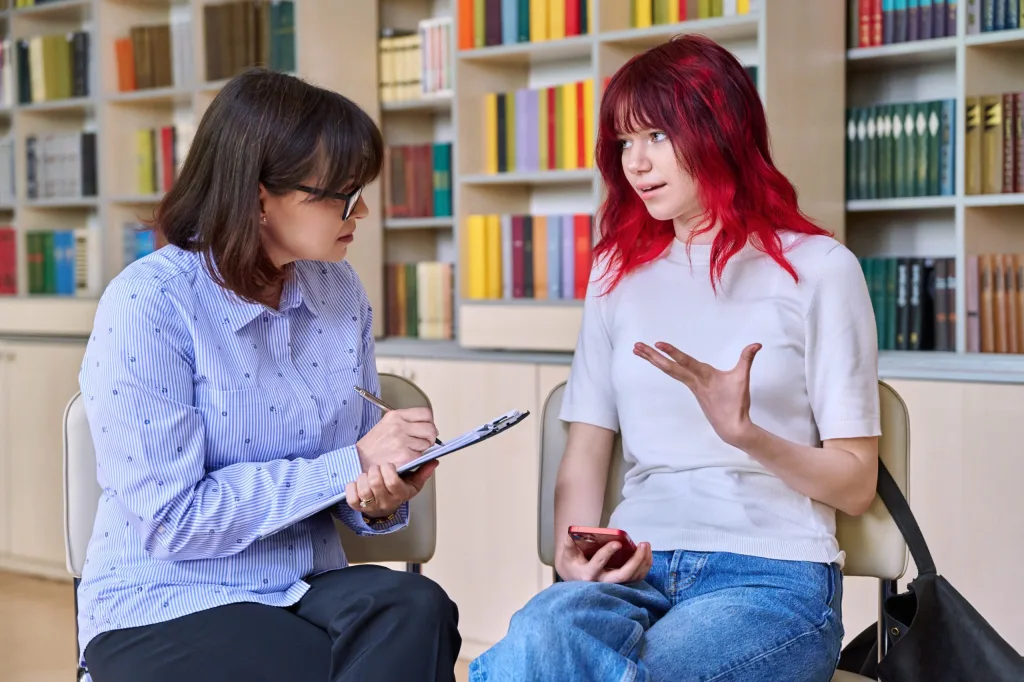
Positive Behaviour Support (PBS) is becoming an increasingly popular method to support individuals with disabilities to overcome challenging behaviours and improve their quality of life.
The main goal of PBS is to understand the person’s needs and develop a plan that helps them achieve their goals and aspirations in a positive and supportive environment.
In this article, we will explore the impact of PBS and how it can help individuals with disabilities thrive.
This article is intended for NDIS Support Coordinators, NDIS Local Area Coordinators (LAC), and NDIS Participants who are looking for effective ways to manage challenging behaviour.
Understanding the Basics of Positive Behaviour Support
Positive Behaviour Support (PBS) is an evidence-based intervention that aims to understand the reasons for challenging behaviours and reduce them by addressing the underlying causes.
The approach focuses on creating a positive and supportive environment and building a positive relationship between the support worker and the individual.
The goal of PBS is to create a more positive and supportive environment that promotes the person’s well-being and reduces the need for restrictive interventions.
The key elements of PBS include:
- Person-Centered Planning: A formal process of developing a plan that identifies the person’s needs, aspirations, strengths, and preferences.
- Functional Behaviour Assessment (FBA): A process of understanding the reasons for challenging behaviours by looking at the antecedents, behaviour, and consequences.
- Behaviour Support Plan (BSP): A plan that outlines the strategies to manage the behaviour and achieve the person’s goals.
- Data Collection and Analysis: A process of monitoring the progress of the plan and making changes based on the feedback.
Moreover, Positive Behaviour Support can have a stronger impact when the participant is supported by the right professional, which is why families may find it helpful to learn how to choose an NDIS Positive Behaviour Support practitioner.
The Benefits of Positive Behaviour Support
PBS has a range of benefits for individuals with disabilities, support workers, and families.
Positive support starts with understanding the person, their environment, and the strategies that can be used consistently over time, which is why Positive Behaviour Support Planning plays such an important role in long-term outcomes.
Some of the benefits of PBS include:
- Improved Quality of Life: PBS aims to improve the person’s overall quality of life by addressing the reasons for challenging behaviours and developing a plan that helps the person achieve their goals.
- Reduced Challenging Behaviours: By addressing the underlying causes of challenging behaviours, PBS can reduce the frequency and severity of these behaviours.
- Positive Relationship Building: The person-centered approach of PBS promotes positive relationships between support workers and individuals, helping to build trust and respect.
- Person-Centered Planning: The formal planning process of PBS allows individuals to have more control over their lives and achieve their goals.
- Family and Support Worker Satisfaction: PBS can reduce stress and burnout among families and support workers by providing a structured and effective approach to managing challenging behaviours.
Success Story 1
A young man with autism was having difficulty transitioning to adulthood and living independently.
Through PBS, the individual was able to learn new skills, create a plan for success, and develop positive relationships with support workers in order to achieve his goals.
Success Story 2
A teenager with cerebral palsy had been displaying aggressive behaviour that made it difficult for her to participate in activities with her peers.
With PBS, the family was able to identify triggers for the behaviour and develop strategies for managing it more effectively.
As a result, the teen was able to participate in school and social activities without disruption.
By implementing Positive Behaviour Support plans, individuals can experience improved quality of life and increased independence.
Challenges and Risks of Positive Behaviour Support
Although PBS has many benefits, it is not without its challenges and risks. Some of the challenges of PBS include:
- Time-consuming: The process of developing a Behaviour Support Plan (BSP) and collecting data can take time and resources.
- Complex: PBS requires a deep understanding of the individual’s needs, and it is essential to work collaboratively with families and support workers.
- Resource Intensive: PBS requires funding and resources to implement effectively.
- Risk of Restrictive Interventions: Although PBS aims to reduce the need for restrictive interventions, there is still a risk of using these interventions if the plan is not followed correctly.
Affective Care PBS Services – Take Action
At Affective Care, we believe that everyone deserves to live a fulfilling and positive life.
We provide Positive Behaviour Support services that are person-centred and evidence-based to help individuals with disabilities achieve their goals and aspirations.
For participants who need tailored strategies that address distress, skill-building, and quality of life, Positive Behaviour Therapy can be an important part of the support journey.
Our experienced team of professionals offers a range of services, including:
- Functional Behaviour Assessment (FBA)
- Behaviour Support Plan (BSP) development and implementation
- Training for support workers and families
- Data Collection and Analysis
- Ongoing support and monitoring
We understand the importance of working collaboratively with families, support workers, and other stakeholders to achieve positive outcomes for individuals.
If you are an NDIS Support Coordinator, NDIS Local Area Coordinator (LAC), or NDIS participant looking for effective ways to manage challenging behaviours, we would love to help.
Conclusion
In conclusion, Positive Behaviour Support is an evidence-based approach that can promote a positive and supportive environment for individuals with disabilities.
PBS offers a range of benefits, including reduced challenging behaviours and improved quality of life.
It is essential to work with experienced professionals who can provide an individualized and collaborative approach to PBS.
At Affective Care, we are passionate about providing high-quality PBS services that help individuals with disabilities achieve their goals and aspirations.
We encourage NDIS Support Coordinators, NDIS Local Area Coordinators (LAC), and NDIS Participants to reach out to us for more information about our services.
Together, we can create a more positive and supportive environment for individuals with disabilities to thrive.


