Empower Lives with Heart

NDIS Support Coordination

Get More From Your NDIS Plan — With a Coordinator in Your Corner

Independent, participant-first support coordination across Australia — by phone, video, or in person around Sydney.
hospital support coordination

NDIS registered
All three levels

15 min

Free intro call
No paperwork to start

Why Us

Coordination That Works for You — Not Us

AFCR-Landing_Page-SIL

Independent Advice

We connect you to the providers that suit you best — and we’re transparent when one of them is us.

Psychology-led

Psychology-Led Team

Founded by a registered psychologist, so coordination here understands mental health, behaviour and family dynamics.

all ages

Multilingual Support

Coordination in English, Arabic or Mandarin — your plan explained in your language.

Support for Children, Adults and Older Adults

Fast to Start

No waitlist — we can usually begin working on your plan within the week.

THE PSYCHOLOGY-LED DIFFERENCE

Coordination That Understands People, Not Just Plans

Affective Care was founded by a registered psychologist, and it shows in how we coordinate: we start with the person — your goals, relationships and wellbeing — then build the services around that, not the other way round.

We listen first — what’s working, what isn’t, and what a good life looks like for you.

We map your plan against your goals, then shortlist providers that genuinely fit — you choose, with clear pros and cons.

We keep the whole team accountable — tracking budgets, chasing providers and adjusting supports so your plan keeps delivering.

eldarly hospital support coordination
WHO WE Support

Support Coordination for Every Disability and Life Stage

Every NDIS plan is different — and so is every life. Our coordinators work with participants of all ages and disabilities, anywhere in Australia, at whatever level of coordination your plan includes.

icon
Intellectual Disability
Plain-language coordination that keeps you and your family genuinely in the driver’s seat — decisions explained, never made for you.
icon
Autism

Coordinators who get sensory needs, routine and communication preferences — and find providers who do too.

icon
Psychosocial Disability
Psychology-led coordination for mental health journeys — steady support through good weeks and hard ones.
icon
Acquired Brain Injury
Careful sequencing of therapy, rehab and daily supports — so services build on each other instead of clashing.
icon
Physical Disability
From equipment and home mods to personal care rosters — we line up the moving parts so life runs smoothly.
icon
Cerebral Palsy
Coordinating multi-therapy teams across the lifespan — childhood, school transitions, adulthood and beyond.
icon
MS & Neuro Conditions
Flexible coordination that adapts as your needs change — scaling supports up or down without starting over.
icon
New to the NDIS
New to the NDIS or leaving the family home? We turn an overwhelming plan into a clear set of first steps.
icon
Complex Needs
Specialist Support Coordination for high-risk, multi-system situations — health, housing, justice and more.
BUILT ON TRUST & PROFESSIONAL STANDARDS

A Registered, Accountable Team

RD
Rita Dagher
Registered Psychologist • CEO
Rita founded Affective Care to make major life transitions safer and more human.
National_Disability_Insurance_Scheme
NDIS Certified_col
Ahpra and National Boards
Australian Counselling Association (ACA)
Occupational Therapy Australia
Australian Physiotherapy Association (APA)
NSW Education Standards Authority
speech_pathology

NDIS registered provider — audited against the NDIS Practice Standards and Code of Conduct.

Experienced coordinators across all three levels, including Specialist Support Coordination (verify quals).

Psychology-led organisation — clinical oversight informs how complex situations are handled.

Culturally inclusive, multilingual team — coordination in English, Arabic and Mandarin.

What Families Say

Plans That Finally Started Working

What We Help With

What Your Support Coordinator Actually Does

Support coordination is practical work: understanding your plan, building your support team, and keeping it all running — so you don’t have to.

Understand Your Plan

We translate your plan into plain language — what’s funded, what it’s for, and how to make every budget line work.

Find the Right Providers

Shortlists of providers matched to your needs, location and preferences — with honest pros and cons. You choose.

Set Up Your Supports

Service agreements, bookings and schedules sorted — supports starting when they should, at the right price.

Keep Everything on Track

Budget tracking, provider follow-ups and problem-solving when things slip — before small issues become big ones.

Prepare for Reviews

Evidence gathered, progress documented, goals refreshed — so you walk into plan reviews ready, not rushed.

Build Your Confidence

Coordination should make itself less necessary over time — we build your skills to manage supports yourself.

Specialist Level 3
Specialist Support Coordination for Complex Situations
Where We Work

Support Coordination, Australia-Wide

In-person meetings available around Sydney’s Inner West; remote everywhere else.
NSW & ACT
QLD, VIC & TAS
WA, SA & NT

Distance Isn’t a Barrier

Most coordination happens by phone, video and email — so you get the same responsive service in Broome as in Bondi.
Hospital discharge commitment

Our Commitment to You

Our commitment is independence: your coordinator works for you, not for any provider — including us. Every recommendation comes with options and honest reasoning, and every decision stays yours. That’s what choice and control should mean.

Your Choice of Providers — Always

Good coordination widens your options. Here’s how we keep it genuinely yours:

  • We recommend what suits you best — never just our own services
  • You choose every provider; we present options and explain the trade-offs
  • We’re transparent whenever AFCR also delivers a support you’re considering
discharge support hills hospital

How Discharge Support Is Funded

  • Funded under Capacity Building — Support Coordination: a separate budget in your plan, so using it doesn’t reduce your Core supports.
  • Three levels: Support Connection, Coordination of Supports, and Specialist Support Coordination — your plan states which you have.
  • Not sure what your plan includes? Call us — we’ll read it with you and explain exactly what coordination you’re funded for.
How it works

From Plan to Action

Three steps, no waitlist — most participants are underway within a week.
1

Call or Enquire

Call 1300 615 193 or enquire online. We’ll check your plan includes coordination and answer your questions.

2

Meet Your Match

We pair you with a coordinator suited to your needs, language and location — and set up a service agreement.

3

Plan in Motion

Your coordinator maps goals, connects providers and gets supports started — then keeps everything on track.

Referring a Participant for Support Coordination

LACs, planners, providers and families — referrals are simple. Send the participant’s details and plan information and we’ll make contact within one business day, keeping you informed throughout.

We accept referrals nationally, across all three coordination levels, including urgent and complex situations.

discharge planner and support worker
discharge planner and support workers
Interim housing hills hospital
For LACs, Planners & Providers

A Coordination Partner You Can Refer to With Confidence

NDIS-registered, psychology-led coordination with capacity across Australia — including Specialist Support Coordination for high-risk participants. Fast intake, clear reporting, and independence in provider recommendations.

  • Contact with the participant within one business day of referral
  • All three levels accepted, including Specialist (Level 3) and psychosocial
  • Multilingual coordination — English, Arabic and Mandarin
For Participants & Families

Your Plan, Your Choices — With Someone in Your Corner

You don’t need anyone’s permission to choose your support coordinator — or to change to one who serves you better. If your plan includes support coordination, call us and we’ll explain how switching or starting works.

  • Choose or change your coordinator at any time — it’s your right
  • We’ll read your plan with you and explain what’s funded, in plain language
  • Phone, video or in-person around Sydney — whatever works for you
We're ready when you are

Put Your Plan to Work

One call to check your funding, meet your coordinator and get moving — wherever you are in Australia. No waitlist, no pressure.

No waitlist — start within a week

FAQ

Support Coordination Questions, Answered

A support coordinator helps you understand your NDIS plan, find and set up the right providers, keep budgets and services on track, and prepare for plan reviews. The goal is a plan that actually delivers — and, over time, growing your confidence to manage supports yourself.
Level 1 (Support Connection) helps you connect with supports. Level 2 (Coordination of Supports) is the most common — ongoing help to manage your support team. Level 3 (Specialist Support Coordination) is for complex or high-risk situations. Your NDIS plan states which level you’re funded for.
It’s funded under the Capacity Building — Support Coordination budget in your NDIS plan, separate from your Core supports. If your plan includes it, our service is billed to that budget in line with NDIS pricing — we’ll explain exactly how it works before you sign anything.
They’re different NDIS supports. Support coordination helps you find, set up and manage your services. Plan management handles the money side — paying provider invoices and tracking budgets. Many participants have both; we offer both as separate services.
No — and we’d be doing coordination badly if we did. We shortlist the providers that best suit you, wherever they come from, and we’re upfront whenever one of the options is us. Every choice is yours.
Yes, at any time — choosing your coordinator is part of choice and control under the NDIS. If your current arrangement isn’t working, call us and we’ll explain how switching works, including any notice period in your existing service agreement.
Almost all coordination happens by phone, video and email — finding providers, chasing invoices and preparing reviews doesn’t need a face-to-face meeting. We support participants Australia-wide, with in-person meetings available around Sydney’s Inner West.
Ask for it at your planning meeting or plan review — explain why you need help implementing your plan (for example, complexity, capacity or crisis). The NDIA decides what’s included. If you’re unsure how to make the case, call us and we’ll talk it through.

Learn More on Our Blog & Newsletter

Subscribe to Affective Care's Newsletter

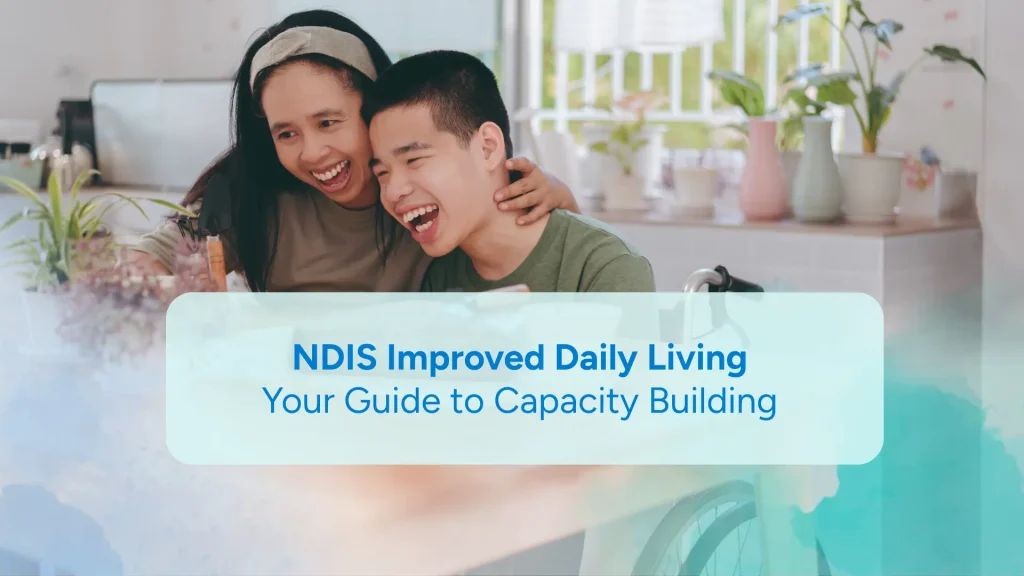
NDIS improved Daily Living

Understanding the NDIS can feel like learning a new language, especially when you encounter terms like NDIS Improved Daily Living, CB Daily Activity supports, or NDIS capacity building. Many people hear “Improved Daily Living” and assume it simply means getting day-to-day support. In reality, its purpose is completely different. NDIS Improved Daily Living sits within Capacity Building […]

......
NDIS Daily Assistance with Life

Navigating the NDIS can be confusing, especially when it comes to Core Supports and what Assistance with Daily Life actually covers. Many people living with disability tell us this part of their plan feels familiar, but the rules, flexibility, and real-life examples often aren’t explained clearly.  NDIS Assistance with Daily Life is the Core Supports category that […]

......

More Ways We Can Help

Support coordination works best alongside the right supports. Our Plan Management service handles the invoicing and budget side of your plan, while our therapy teams — psychology, occupational therapy, speech pathology and Positive Behaviour Support — are options your coordinator can present alongside any provider.

Support Coordination Australia — Get Started

JOIN OUR NEWSLETTER & GET FREE UPDATES

Jessica Boumelhem

Jessica Boumelhem

Advanced Behaviour Support Practitioner | PBS Manager

NDIS-aligned | Systems-aware | Values-led

Jessica supports individuals and teams through:

Jessica brings over two decades of experience as an educator and a strong foundation in psychology to her role as an Advanced Behaviour Support Practitioner. As PBS Team Manager, she leads with clarity and accountability, ensuring practice aligns with both NDIS standards and ethical, person-centred care.

Her approach is holistic and collaborative, taking into account sensory, environmental, emotional, and relational factors that influence behaviour. Jessica works closely with individuals, families, and support teams to ensure behaviour support plans reflect personal values, lived experience, and real-world contexts.

Jessica’s leadership supports consistency, quality, and confidence across multidisciplinary teams. Her work ensures behaviour support is not just compliant, but compassionate, practical, and genuinely empowering.

Chady Aoun

Chady Aoun

Senior Psychologist and Behaviour Support Practitioner

Multidisciplinary | Assessment-driven | Governance-focused

Chady supports individuals through:

Chady is a highly experienced psychologist whose work spans both public and private sectors. At Affective Care, he delivers integrated behavioural and psychological services, supporting clients of all ages through assessment, therapy, and tailored intervention.

Known for his leadership within multidisciplinary teams, Chady brings structure, insight, and consistency to complex presentations. His expertise includes early intervention, rehabilitation, and complex case management, with a strong commitment to clinical governance and quality care.

Chady’s work is grounded in evidence-based practice and collaborative problem-solving. He supports individuals, families, and teams to navigate complexity with clarity, ensuring care remains ethical, coordinated, and effective.

Miray El-Hachem

Miray El-Hachem

Positive Behaviour Therapist & Registered Counsellor (ACA Level 2)

Holistic | Education-informed | Adolescent-focused

Miray supports individuals through:

Miray brings over 20 years of experience in education into her clinical work as a Positive Behaviour Therapist and Registered Counsellor. Her practice integrates behavioural science with a deep understanding of human development, particularly during adolescence.

She takes a holistic approach, blending structure with empathy to support individuals through behavioural challenges. Miray’s work is grounded in understanding the whole person—their environment, relationships, and emotional world.

Through compassion and insight, Miray supports individuals to develop self-awareness, regulation, and confidence. Her practice reflects a balance of science and humanity, creating space for growth that feels both supported and respectful.

Anabell Beattie-Bowers

Anabell Beattie-Bowers

Registered Psychologist

Relational | Empowerment-focused | Trauma-aware

Anabelle supports children and adults through:

Anabelle works alongside individuals with warmth, curiosity, and a deep respect for each person’s inner world. As a psychologist, she supports both children and adults to strengthen emotional awareness, build resilience, and develop healthier relationships with themselves and others.

Her therapeutic style is tailored and responsive, integrating approaches such as CBT, DBT, and Circle of Security to meet the unique needs of each client. Anabelle places strong emphasis on empowerment—helping people understand their patterns, reconnect with their values, and develop tools that support lasting change.

Anabelle’s work is grounded in safety, collaboration, and trust. She believes therapy is not about fixing people, but about creating space for insight, growth, and meaningful connection—supporting individuals to move forward with greater confidence and emotional clarity.

Brandon Boumelhem

Brandon Boumelhem

Occupational Therapist

Functional independence | Strengths-based | NDIS-focused

Brandon supports individuals through:

Brandon’s work centres on helping people build skills that translate into real, everyday independence. As an Occupational Therapist, he partners with individuals, families, and carers to identify what matters most in daily life and then builds practical pathways toward those goals.

His approach is client-centred and evidence-based, grounded in collaboration and respect for each person’s strengths, environment, and pace. Brandon understands that meaningful outcomes are rarely achieved in isolation, so he works closely with support networks to ensure strategies are realistic, sustainable, and supportive of long-term participation.

Through the NDIS, Brandon supports people to increase autonomy, confidence, and engagement in daily routines. His work is guided by a belief that independence is not about doing everything alone—it’s about having the right supports, skills, and systems in place to live with choice and dignity.

Natalie Soto

Natalie Soto

Registered Psychologist | PBS

Bilingual | Assessment-focused | Person-centred

Natalie supports children and adults through:

Natalie is a bilingual psychologist (English/Spanish) with extensive experience supporting individuals across the lifespan. Her work spans assessment and therapy, with a particular interest in forensic psychology and complex presentations.

She combines evidence-based practice with creativity and flexibility, tailoring interventions to each person’s needs, culture, and goals. Natalie’s approach is grounded in collaboration, ensuring clients feel understood, supported, and actively involved in their care.

Through thoughtful assessment and therapeutic intervention, Natalie supports individuals to build insight, resilience, and meaningful change.

Edric Limbo

Edric Limbo

Speech-Language Pathologist

Rehabilitation-focused | Goal-driven | Community-oriented

Edric supports individuals through:

Edric’s practice is centred on helping people reconnect—both with their communication and with their communities. Working with adults and children, he has a strong interest in stroke rehabilitation and supporting individuals through the process of rebuilding communication skills.

His approach is practical and goal-focused, ensuring therapy remains relevant to everyday life. Edric collaborates closely with clients and families to identify meaningful outcomes and develop strategies that support confidence, participation, and independence.

Edric finds deep fulfilment in witnessing people regain their voice and reconnect with others. His work is guided by respect, patience, and a belief in each person’s capacity for recovery and growth.

Heather Pinel

Heather Pinel

Positive Behaviour Support Practitioner & Registered Counsellor

Trauma-informed | Neuroscience-integrated | Relational

Heather supports individuals through:

Heather is an accomplished Behaviour Support Practitioner with over 20 years of experience supporting children and families. Her work integrates neuroscience, psychological theory, and trauma-informed practice to address complex presentations including attachment trauma, neurodevelopmental differences, and psychosocial disability.

Heather’s approach is collaborative and whole-person focused, ensuring behaviour support plans reflect both evidence and lived experience. She works closely with families and support networks to build strategies that enhance emotional wellbeing, safety, and functional independence.

Her commitment to holistic care ensures individuals receive support that honours identity, relationships, and long-term quality of life.

Charbel Azzi

Charbel Azzi

Speech-Language Pathologist

Communication | Connection | Technology-enhanced

Charbel supports children and adults through:

Charbel’s work is driven by a passion for helping people connect more fully with the world around them. As a Speech-Language Pathologist, he supports both paediatric and adult clients to strengthen communication, social interaction, and participation in daily life.

Since 2022, Charbel has worked across diverse settings, tailoring therapy to each person’s goals, strengths, and communication style. He has a particular interest in integrating technology into therapy, using innovative tools to enhance engagement and outcomes.

Charbel brings curiosity and creativity into his practice, believing communication is not just about words, but about connection, confidence, and belonging. His approach supports individuals to express themselves more clearly and engage meaningfully with others across home, school, work, and community environments.

Nisreen El-Saidi

Nisreen El-Saidi

Positive Behaviour Support Practitioner

Grace Boutros

Grace Boutros

Positive Behaviour Support Practitioner

Shayma Sadek

Shayma Sadek

Positive Behaviour Support Practitioner

Ali Bazzi

Ali Bazzi

Positive Behaviour Support Practitioner

Areeba Chaudhry

Areeba Chaudhry

Casual Allied Health Assistant

Joana Suh

Joana Suh

Paediatric Occupational Therapist

Neurodiversity-affirming | Strengths-based | Mental health-focused

Joana supports children, adolescents, and adults through:

Joana is a Senior Occupational Therapist with a strong commitment to neurodiversity-affirming practice. She works with children, adolescents, and adults experiencing complex emotional and behavioural needs, including bipolar affective disorder and other mental health conditions.

Her experience spans a range of developmental and neurodevelopmental presentations, including autism, ADHD, and Down syndrome. Joana’s clinical focus includes building fine motor, cognitive, sensory, and emotional regulation skills to support participation in everyday life.

Joana is particularly passionate about peer-mediated, client-centred, and strengths-based approaches. Her work supports individuals of all ages to increase social inclusion, functional independence, and overall quality of life.

Rita Dagher

Rita Dagher

Psychologist | Managing Director – Affective Care & Affective Health Services

Humanistic | Systems-led | Clinically grounded

Rita supports individuals, families, and communities through:

Rita works at the intersection of psychology, leadership, and purpose-driven care. As a psychologist and Managing Director, she brings both clinical depth and strategic clarity to every layer of service delivery at Affective Care and Affective Health Services. Her work is grounded in the belief that systems should adapt to people—not the other way around.

With a strong clinical foundation and a humanistic leadership style, Rita ensures that psychological therapy, allied health, and in-home supports remain emotionally intelligent, ethical, and genuinely person-centred. She leads teams with integrity, cultivating cultures of safety, reflection, and excellence so that practitioners can deliver their best work and clients can experience care that feels respectful and empowering.

Rita’s approach bridges therapeutic insight with organisational vision. She understands that sustainable outcomes require both skilled clinicians and well-designed systems. Through thoughtful leadership and clinical oversight, she supports services that respond to complexity with compassion, accountability, and innovation—creating meaningful, long-term impact for individuals, families, and the broader community.