Autism Level 2 Explained (Support Needs, NDIS Funding & Examples) Accessing NDIS funding for Autism Level 2 can feel overwhelming, especially in the early stages after a diagnosis. Many families and support workers are unsure where to start, what documentation is needed, or how to create a plan that meets the participant’s unique needs. You […]
Understanding NDIS funding for Autism Level 1 is essential for individuals and families navigating support options in Australia. The National Disability Insurance Scheme (NDIS) is a government program that provides funding to people living with disabilities to access the services and supports they need to live an independent and fulfilling life. For people diagnosed with […]
The NDIS latest new changes 2025 are reshaping how people living with disability, their families, and providers interact with the Scheme. With new funding periods, updated pricing structures, and tighter safeguards, the aim is clearer budgeting, more equitable supports, and a stronger focus on individual needs. If you’re feeling unsure about how these changes affect […]
Introduction to Hidden Disabilities Hidden disabilities; also known as invisible or non-visible disabilities are conditions that affect how a person thinks, feels, or functions in daily life, but cannot be seen from the outside. Unlike a visible disability, such as someone using a wheelchair or wearing a hearing aid, hidden disabilities are often misunderstood because […]
Integrated healthcare has become a cornerstone of effective mental health care, particularly in Australia, where a growing population struggles with mental health challenges such as anxiety, depression, and disabilities. This service model ensures collaboration across various healthcare disciplines to address physical, emotional, and cognitive well-being under one roof. Affective Health Services epitomizes the integrated healthcare […]
Imagine you’re buying a super-duper toy that promises to light up, sing, and maybe even dance a little jig. You’re excited, but when you get the bill, it feels like you’ve paid for a whole toy store! That’s how some folks feel about Positive Behaviour Support (PBS) services under the National Disability Insurance Scheme (NDIS) […]
Communication is a fundamental aspect of human interaction, essential for expressing needs, building relationships, and participating in society. For individuals with communication challenges, Positive Behaviour Support (PBS) offers a structured approach to developing both verbal and non-verbal communication skills. This blog will explore how PBS enhances communication skills, the strategies used, and the transformative impact […]
Introduction: Positive Behaviour Support (PBS) is more than just a method for managing challenging behaviours; it is a powerful approach that can transform lives. By focusing on understanding the reasons behind behaviours and promoting positive change, PBS helps individuals achieve greater independence, improve their communication and social skills, and enhance their overall quality of life. […]
Family involvement is a critical component of Positive Behaviour Support (PBS), playing a vital role in the success of behaviour interventions and the overall well-being of the individual. Families provide the continuity, support, and consistency needed to ensure that PBS strategies are effective across all settings. This blog will explore the importance of family involvement […]
Home / About / Affective Care Safeguards Your security and peace of mind are at the heart of what we do At Affective Care, we understand that providing high-quality disability support involves more than just assisting with everyday tasks. It’s about creating an environment of trust, respect, and safety where each individual feels valued and […]
Explore Our Health Store for Trusted Care Products
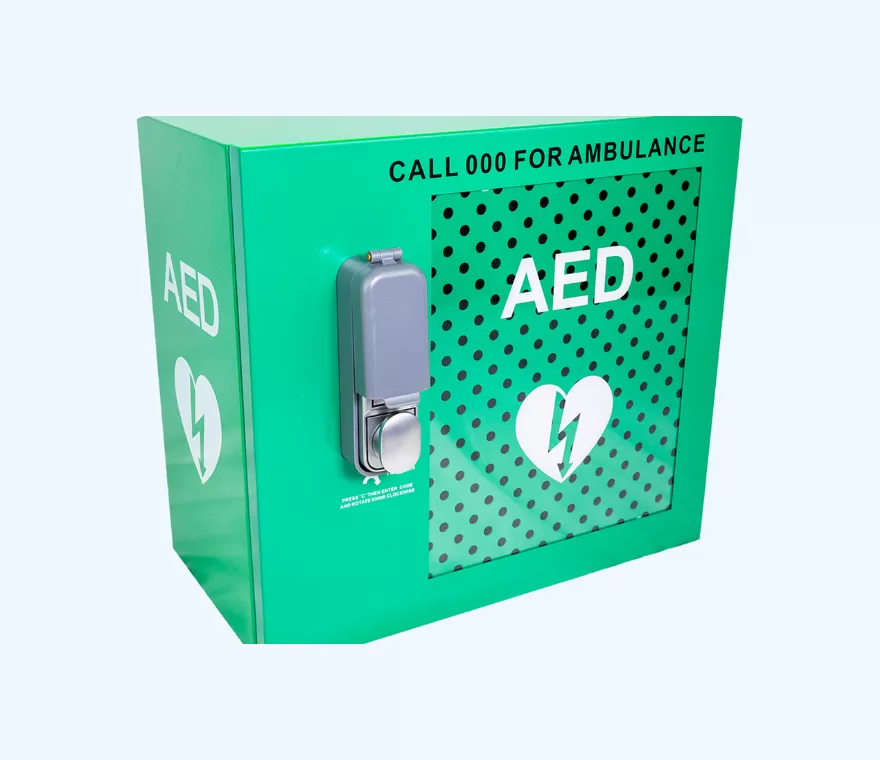
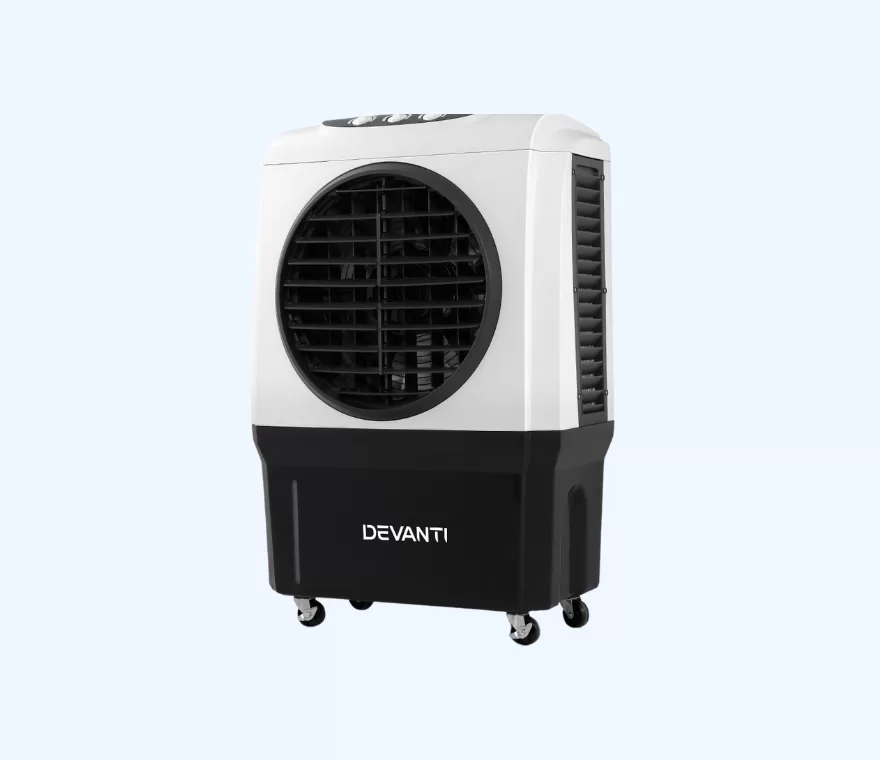
Discover a range of trusted care products at the Affective Health Store, designed to support your daily needs and wellbeing. From mobility aids to comfort essentials, our collection is carefully selected to make life easier. Visit our store today and find the perfect products for you or your loved ones.